13 ways to get cheap train tickets

Train tickets can infamously cost more than a flight between the same two destinations. But, fortunately, we've got some rail-y good tips to cut the cost of your ticket.
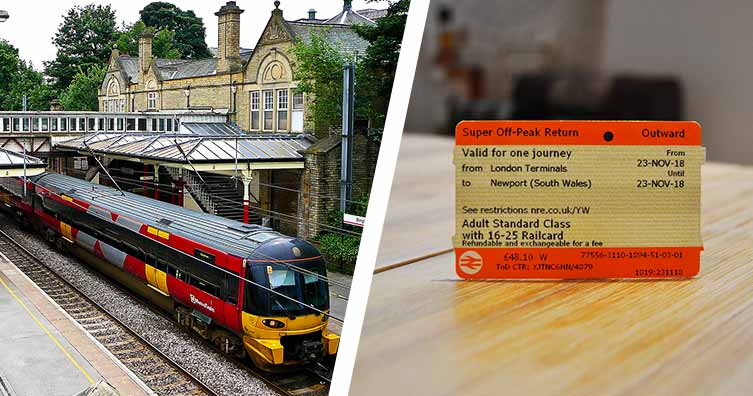
Credit (left): Tim Green - Flickr
Trains aren't always the cheapest form of transport – and prices only seem to be going up. However, depending on where you're travelling to, sometimes you have no other option but to splash out on tickets.
But despite prices generally being way higher than they should be (sometimes even more expensive than flights), there are many ways to get a discount on rail travel.
Here's how to get the best deals on train tickets.
How to save money on train tickets
Here's how to get cheap train tickets:
-
Get a Railcard
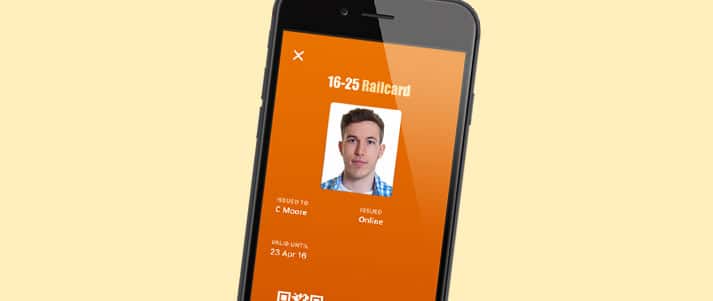
Credit: National Rail
Seriously, you'll kick yourself if you don't get one of these. A Railcard will save you so much money (potentially even from the very first time you use it). It's particularly handy if you've moved to the opposite end of the country for uni.
To get a rail discount as a student, buy the 16–25 Railcard as it will take a third off every train ticket you buy and costs £35 a year (or £80 for three years). It may sound pricey, but if you spend £105+ on train travel a year, you'll be saving money.
You can even make your 16–25 Railcard last until you're nearly 27 by buying a three-year card just before your 24th birthday (up to the day before your birthday, to be precise!). Once you hit 24, you'll only qualify for a one-year card, so think ahead.
Plus, you can currently get a four-year Railcard for free when you open a Santander student account.
But if you're 16 or 17, you'll be better off with the 16–17 Saver Railcard instead. It gives you a whopping 50% off train travel! Unlike other Railcards, it works on Season Tickets too – ideal if you're commuting to college or a part-time job. It costs £35 a year and once you turn 18, you can switch to the 16–25 Railcard instead.
If you're older, you can have a look at the 26–30 Railcard. You can get this before your 31st birthday and it gives you the same discount for £35 a year. However, you can't buy a three-year version of this Railcard.
If you don't qualify for the 16–25 or 26–30 Railcard, and usually travel with someone else, it might be worth buying a Two Together Railcard instead. This will also get you both a third off all fares (as long as you're travelling after 9.30am Monday–Friday or anytime on weekends and bank holidays) and costs £35.
-
Get cheaper travel tickets in London
Technically, this doesn't just cover 'trains' as such. However, a handy extra benefit of having a Railcard is that if you live or travel in London, you can link it up to your Oyster card and get a third off your travel there too.
This covers all off-peak journeys that are pay-as-you-go (as opposed to one made using a monthly travel card, for example). Plus, it includes trips on the London Underground, London Overground, DLR and most of the Elizabeth Line.
For a full breakdown of how to get cheap travel tickets in London, including what's classified as an off-peak journey in the city, check out our London city guide.
Here's a quick explainer of how to link your Railcard to your Oyster:
-
Travel at off-peak times
To get cheaper train tickets, it’s worth travelling off-peak whenever possible. You’ll find that train ticket prices rocket at weekends and during rush hours, which are usually before 9am and just after 5pm (but this will vary depending on your route).
These periods are known as peak times, and train tickets during these hours are usually much more expensive than others. Not only that, but you’re also more likely to end up standing for the entire journey since trains are typically overcrowded at these points in the day.
Train booking sites will notify you of peak times when you book, so take care to avoid them to save money.
You’ll need to check whether you need an on or off-peak ticket before buying. Sometimes it will be determined by when you end your journey, while on other occasions it’ll be when you start.
If you have to travel at peak times, make sure you reserve a seat when you book your ticket. It’s usually free to do so and helps avoid the risk of having to stand for three hours.
-
Book your ticket in advance to save money
The best time to book your tickets is 10–12 weeks before you travel. But, even booking as late as a week beforehand can still make a big difference.
Travelling across the UK can cost over £200 if you buy a ticket on the day of travel, but buying that same ticket a few weeks in advance can potentially save you 70% or more on your journey.
Some operators will even let you buy advance tickets as soon as 10 minutes before the departure time. Check out this summary of the latest purchase times for an advance ticket with each major company.
Before you take the plunge and get your ticket, don’t get suckered into buying your ticket from Trainline. Unlike many other train ticket websites with the same prices, they charge booking fees (unless you book through the app on the day of travel). -
Split up your train journey
If you have a long journey that passes through several major stations, it might be worth checking the price of booking each leg of the journey separately rather than buying a single ticket straight to your destination.
For example, suppose you’re travelling from London to Edinburgh and the train passes through Newcastle. In that case, it might work out cheaper to buy two singles (London to Newcastle and Newcastle to Edinburgh) than one direct ticket – even though you have no intention of switching trains or getting out of your seat.
Amazingly, it can sometimes work out cheaper even though it’s the same journey.
Doing a manual search for the best ways to split your journey would take a while, so luckily, there’s a tool to do it all for you. Head to TrainSplit, where their advanced search filters let you choose everything from the maximum number of changes to any train operators you’d like to include (or exclude).
Also, if you get tickets from Trainline, the SplitSave feature automatically splits tickets for you to help you save money.
It’s probably best to take advantage of these filters if you don’t want to end up like this savvy saver, who reduced the cost of a trip from Newcastle to Oxford by £56 but increased the number of tickets significantly…
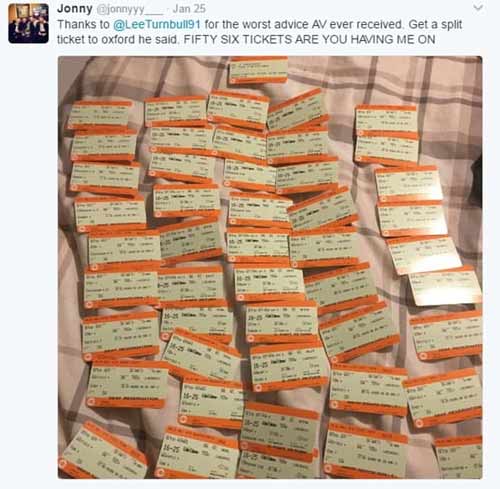
Credit: @jonnyyy___
-
Return tickets aren’t always cheaper
Just as you can split up your journey along the way, you can also divide a return journey into two single tickets to see if it works out any cheaper.
In most cases, it will cost pretty much the same for two singles as it does for a return. But every now and again, the oddities of the British train ticket system mean that two single tickets will be cheaper than a return.
It’s just a matter of doing your research. Sites like Trainline show you a price comparison between two singles and a return, so you can see which works out the cheapest.
-
Wait for ticket sales
This isn’t always the most convenient option, particularly if you have an exact date in mind that you’d like to travel.
But if you can hold off buying tickets until the flash sales start, some of them are worth waiting for. If you’re lucky, you might be able to find train tickets for just a few quid during flash sales.
Bookmark our transport deals for students page or sign up for our newsletter, Facebook group and WhatsApp. We’ll let you know when we next hear about a flash sale.
-
Bring your own snacks and drinks
The food sold on trains is expensive, so save yourself some money by bringing your own.
Grabbing a snack at a nearby supermarket will work out cheaper (although nowhere too near the station, as the markups can be high), but making sandwiches at home and popping them in a Tupperware box will save you even more.
-
Complain about unfair service on trains
Credit: Richard Haughey – Flickr
As if it wasn’t bad enough that it costs a fortune to ride the train, they’re also notoriously unreliable when it comes to arriving on time. You’ve likely got your own train travel horror story, but thankfully, you can claim some money back.
Each rail network will have its own rules and regulations on complaints, largely depending on whether it’s opted into the Delay Repay scheme. Some will give you a partial refund for delays as small as 15 minutes, whereas others won’t pay out until you’ve been held up for at least half an hour.
They may also have a sliding scale, whereby the size of your refund is determined by how significant the delay was.
In short, if you’ve had any delay, head over to our guide on train delay refunds and reclaim what you’re owed. It’s possible to get a refund of up to 100% back – essentially meaning your train journey could be free.
Our content editor, Lauren Allen, has claimed through Delay Repay in the past:
 When I got my first job after uni, I had to get two trains between my home and place of work. While I didn’t mind the commute when they trains actually ran on time, they were constantly delayed.
I started making a note of all the delays on my phone and would often make claims through the Delay Repay scheme. I’ve easily got £100s back in refunds over the years!
-
Consider getting a season train ticket
If you’re making the same journey multiple times a week (maybe you live a little way away from the main campus, or you’ve got a job in the next town), it might be worth investing in a season ticket.
Season tickets provide a discount to frequent rail travellers, and the longer your season ticket is for, the more you save. You can get them for any period of time, but the most common types are weekly, monthly and annually.
However, season tickets aren’t always the cheapest option. Do some quick maths to work out whether you’d actually get a discount. Use this season ticket calculator and compare the average journey price to what you currently pay.
It’s also worth noting that you can’t use most Railcards with a season ticket. It should still be cheaper for regular commuters to get a season ticket, but again, it’s worth doing the maths.
-
Get 50% off train tickets
If you’re struggling to get a graduate job after uni, Universal Credit or Jobseekers Allowance can be a huge help. In addition to financial support, you may also be eligible for a Jobcentre Plus Travel Discount Card.
Typically, you need to have been claiming one of these benefits for at least three months, but you may also be eligible if you’re claiming a different benefit, so it’s worth double-checking with your work coach or adviser.
With the card, you can take advantage of 50% off selected train tickets, which would make it much more affordable to get to those all-important job interviews.
If that’s not an option, ask about the Flexible Support Fund. It can provide financial aid to get to an interview or training course. And once you do bag your dream job, it can help pay for your commute until you receive your first paycheque.
-
Use a cashback site to buy train tickets

Credit: Yulia Grigoryeva – Shutterstock
Before heading straight to the website of the rail company to book your tickets, check a cashback site first. You could earn cashback on your train tickets.
Registering with cashback services like Quidco or TopCashback can see you earning a fixed amount of cashback on your ticket. There’s even the potential to get free train tickets.
But the cashback is usually very small. So small that you should work out whether it’s cheaper to go through a cashback site and shop at one retailer or go straight to another retailer with lower prices.
However, it’s worth noting that you can sometimes get better deals on Railcards through a cashback site. At the time of writing, Quidco are offering up to 16% cashback on Railcards when bought through the Trainline app.
Check out our guide to the top cashback sites for more info.
-
Exploit the perks of first-class travel
Usually, we’d advise against getting a first-class ticket. But every now and then, it could be worth spending a little extra.
During a sale, first-class tickets can cost just a few pounds more than standard ones. Many networks throw in a ton of perks for first-class passengers. Some even include a free buffet cart and free streams of films and TV.
A first-class ticket that costs £5 more than a standard one could end up saving you money, as the unlimited free food and drinks mean you don’t have to buy or make your own beforehand. And, as long as you don’t go way over the top, nothing is stopping you from taking home some of the free stuff for later.
Best train ticket companies to book with
You can find cheap train tickets on these booking sites:
-
Trainline
- Pros – Great extra features on the app, e-tickets available
- Cons – Booking charge, delivery charge, not always the cheapest prices.
It may not always be the cheapest place to buy tickets, but the Trainline app is worth having for the extra features.
As we mentioned earlier, SplitSave is particularly handy, helping you find the best deals.
-
Red Spotted Hanky

- Pros – No fees, e-tickets available
- Cons – Delivery charges.
Red Spotted Hanky’s lack of fees makes it one of the best places to get cheap train tickets. They claim users save 61% on average compared to standard walk-up train fares – that’s impressive!
Keep in mind that if you want to get your tickets delivered, you have to pay a delivery charge. However, there is an e-ticket option or you can collect your tickets free of charge at the station.
-
Raileasy
- Pros – Can easily switch between the cheapest fare and the most flexible, e-tickets available
- Cons – Basic site.
From the good people who brought us TrainSplit, it’s… well, the good people themselves!
Raileasy helps you save money by splitting your train journey into multiple tickets.
Different ticketing sites will sometimes have different prices for the same journey. Always compare options to ensure you’re getting the best price available.
Remember that although some sites charge a delivery fee, it’s usually free to get an e-ticket on your phone or collect it from an eligible station.
If you’ve covered all of the above but still can’t find tickets within your budget, it’s worth checking out coach travel instead. This tends to be much cheaper.